
Priority checklist for international students arriving in the UK
It’s the start of the new academic year – what are some key tasks for international students arriving in the UK to ensure a smoother transition?

This article will simply outline the priorities for new students after arrival in the UK.
1. Buy a UK SIM card and purchase a monthly package plan. Pay as you go deals are available from most network providers such as O2, Vodaphone, EE, 3 etc.
2. Check-in to accommodation and collect your key. Make sure to check the inventory and raise any issues with the condition of the accommodation early on, taking photographs where necessary. Damages incurred to a property can result in deposits being taken so it is important to highlight pre-existing problems as soon as possible.
Confirm location of household appliances and ensure they are working, also check fire alarms are functioning properly. In university accommodation, there may be communal facilities such as kitchens and laundry.
If in private rented accommodation, it may be a good idea to take a picture of the Electricity, Gas and Water meter on the day you move in and give the readings to the current supplier. This will ensure your first bill is accurate. Make sure to understand the tenancy agreement and of any rules that apply to residents.

3. Quick budgeting hacks
There is a cost-of-living crisis in the UK, and especially in urban areas, day-to-day life can be expensive. One easy hack to ease the pressure on your finances is to purchase a reusable water bottle and refill it wherever you go to stay hydrated for free – UK tap water is safe to drink and some of the cleanest in the world. For hot drinks or some caffeine to get you through a long day of study, try bringing tea bags and coffee sachets; cafes on and off campus will be happy to provide hot water.
Buying coffee and food out will always cost more than preparing food and drink at home, so meal prepping for the week and bringing food with you to class will effectively lower your costs.
4. Biometric Residence Permit (BRP) Collection from the Post office or the University.
If you applied for your immigration status (for example, your visa) from outside the UK, you’ll need to collect your BRP once you’re in the UK.
You must usually do this within 10 days of arriving in the UK, ensure you have your passport when you go to the Post Office.
5. Register with the university and complete the online enrolment before you visit the campus for full enrolment. Details of this should be circulated by universities among incoming students and information will be available online.
6. Visit the department office and collect the necessary information. You will get a welcome pack from the department, which will include course details, members of staff and their contact details, and possibly a gift! It is good to begin to develop a positive relationship with your faculty’s administrative staff as they will be able to help with everything related to your studies, including extensions on work deadlines!

7. Register with a General Practitioner (GP / doctor). If your course is over six months, you are entitled to get free treatment from the National Health Service (NHS). Look for a GP near to where you live and bring your passport and enrolment letter with your UK address on it.
Unfortunately, the UK’s health service is facing capacity issues so waiting lists can be long for less serious health issue – if this is the case, try speaking to the staff at any pharmacist or chemist and they will recommend a course of action. If you can afford private healthcare, then there is no need to register.
8. Open a bank account online with banks such as Monzo, Stirling, Revolut and Chase. They are very easy to open. Collect a bank account letter from the University or download it from your student portal and make sure the letter includes your UK address. This will simplify your online shopping, contactless payments in most businesses and could help you to budget. Post-Covid, most businesses are cashless but there are some exceptions so take note of this and carry a bank card.
In relation to finances, you may decide to find part-time work to support yourself during your studies. You must check that your immigration status allows you to legally work in the UK. Once confirmed you can check local business, the Student’s Union and online resources like Gum Tree for vacancies. Some extra income can make all the difference.
9. Transport Card: You can apply for an 18+ student photocard by paying £25 if you live in London. You will save 30% more than the adult rate travel. If you are between 16-25 & 26-30 years old and live outside London, apply for a Railcard and get 1/3 off. The application costs £30 a year.
Transport for London offers this information https://tfl.gov.uk/fares/free-and-discounted-travel/18-plus-student-oyster-photocard
If travelling further afield, check out https://www.railcard.co.uk/
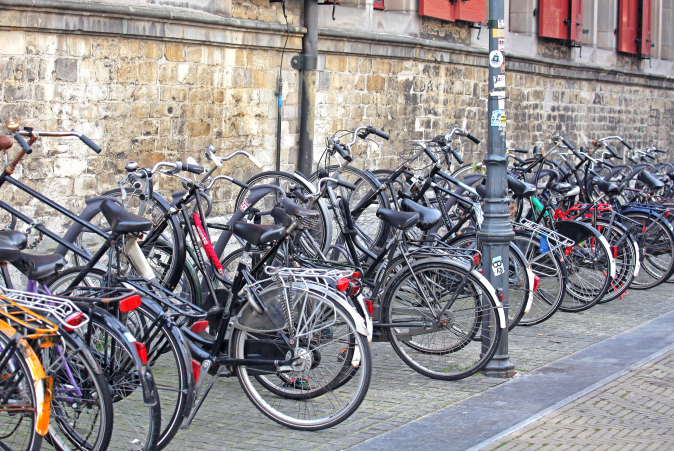
Travel costs can really add up, especially in big cities, so consider buying a bicycle. Arguably, it is the fastest and cheapest way to get around. Retailers may offer student discounts on bikes and helmets to ensure safe and cost-effective travel. Similarly to many modern cities, there are also e-bikes and scooters for hire from Lime, Tier and Human Forest – these are efficient but costs can quickly add up.
10. Socialising and building a network are important aspects of settling into a new environment. It can be a challenging experience navigating a new place, a different culture and language with lots of demands on your time and attention. A simple way of easing the transition is to meet people, who are in the same position or who are there to help.
There will be opportunities to socialise with other students in your accommodation, there will be a Fresher’s Week dedicated to new arrivals during which many events will take place (there is no need to attend all of them!) Head into campus and get a feel for the place; societies and clubs will be advertised and there will be opportunities to explore communities with similar interests to your own. Try not to isolate yourself early on, as it will make building your network more difficult down the line.

There are various resources available for new students. Your university will offer support specifically for international students and details will be available online and on campus – don’t hesitate to ask!
Websites such as https://study-uk.britishcouncil.org/ and https://www.savethestudent.org/ provide advice on all aspects of student life in the UK: how to save money, accommodation tips, recommendations, meal recipes and more!


 +44(0)737 7799 874